
Frozen Food Export Requirements for International Markets
Exporting frozen food requires strict adherence to international safety, quality, and logistics standards ❄️📦. These requirements exist to protect consumers, reduce shipment risk, and ensure frozen products arrive in optimal condition. For large exporters, meeting frozen food export requirements is essential for maintaining buyer trust and long-term trade relationships. Regulatory Compliance and Food Safety Frozen food exporters must comply with food safety regulations set by both the exporting and importing countries. These often include hygiene controls, traceability systems, and documented handling procedures. Compliance frameworks such as HACCP and ISO help ensure frozen products remain safe throughout processing and distribution. Cold Chain Management Standards Maintaining an uninterrupted cold chain is a core requirement in frozen food exports 🧊. Temperature fluctuations during storage or transport can lead to spoilage or shipment rejection. Exporters must use temperature-controlled facilities, monitored containers, and verified transport partners to protect product integrity. Packaging and Labeling Requirements Export-grade frozen foods must be packaged to prevent contamination and preserve shelf life. Labels must clearly display product information, origin, batch numbers, and storage instructions. Accurate labeling supports customs clearance and buyer confidence. Documentation for International Shipments Frozen food exports require complete documentation, including health certificates, packing lists, and export permits. Missing or incorrect paperwork can delay or block shipments at ports 🚢. Reliable exporters maintain structured documentation systems to avoid disruptions. Final Thoughts Frozen food export requirements are designed to ensure safety, consistency, and efficiency in global food trade. Exporters that follow these standards position themselves as reliable partners in international markets 🌍.
🧊 Frozen Whole Chicken Export From Thailand
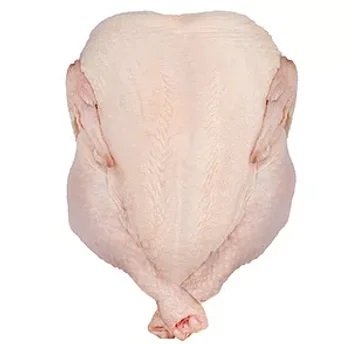
Frozen whole chicken export is a cornerstone of the global poultry trade, supplying international buyers who require consistent quality, strict food safety compliance, and dependable logistics. Thailand is widely recognized as a reliable source of export-grade poultry products due to its advanced processing infrastructure and strong regulatory framework. As an experienced poultry exporter, GFPT Nichirei provides frozen whole chicken processed under controlled conditions to meet international import standards while preserving product quality throughout the cold chain ❄️. 🐔 Frozen Whole Chicken for Global Markets Frozen whole chicken is processed and prepared specifically for international distribution. It is commonly supplied to wholesalers, food service operators, and retail distributors across Asia, Africa, and the Middle East. Export-grade frozen whole chicken must meet defined specifications, including: These requirements ensure frozen whole chicken is suitable for international shipment and long-term storage 🌍. 🏭 Processing Standards and Quality Control Quality assurance is critical in frozen whole chicken export operations. Processing is carried out under internationally recognized food safety and quality control systems, ensuring traceability and consistency at every stage of production. Key quality measures include: These controls ensure export-quality poultry products meet global buyer and regulatory expectations ✅. 📦 Packaging and Cold Chain Management Proper packaging and cold chain management are essential to maintaining the quality of frozen whole chicken during export. Products are packed using food-grade materials designed to protect against contamination and temperature variation. Standard export practices include: An uninterrupted cold chain ensures frozen poultry products arrive in destination markets in optimal condition ❄️📦. 📑 Export Compliance and Documentation Frozen whole chicken export requires accurate documentation to comply with international trade regulations. Exporters must adhere to destination-specific requirements to ensure smooth customs clearance. Common export documentation includes: Thailand’s structured poultry export system supports efficient compliance across global markets. 🌏 Why Thailand Is a Preferred Source for Frozen Whole Chicken Thailand has earned a strong reputation as a global poultry export hub. Its modern facilities, skilled workforce, and strict regulatory oversight contribute to consistent product quality and international trust. Key advantages include: These strengths position Thailand as a preferred sourcing destination for whole frozen chicken supplier partnerships 🏆. 🤝 Reliable Poultry Supply for International Buyers International buyers prioritize reliability and consistency. A professional frozen whole chicken export partner provides: Buyers sourcing multiple poultry cuts may also explore frozen chicken feet exporter and frozen chicken paws supplier options within a comprehensive poultry range. ✅ Conclusion Frozen whole chicken export requires disciplined processing, strict regulatory compliance, and dependable logistics. Thailand continues to lead as a trusted poultry export origin, delivering products that meet international quality and safety standards. Buyers seeking to view our poultry products can access a complete range of export-ready frozen poultry solutions.https://gfncc.com/fresh-product/